
Hidden Indie Game Gems You Probably Missed on Steam
Steam is home to tens of thousands of games, making it one of the largest digital gaming platforms in the world. While blockbuster releases and viral indie hits often dominate the front page, countless exceptional indie games quietly disappear beneath the algorithm. Many of these hidden gems receive glowing reviews from players but never reach mainstream attention.
If you’re tired of seeing the same recommendations over and over again, this guide is for you. We’ve gathered a collection of outstanding indie games with fewer than 5,000 Steam reviews that deserve far more recognition. These games span multiple genres, offer unique gameplay experiences, and prove that incredible creativity often comes from small development teams.
Whether you enjoy strategy, puzzles, RPGs, horror, platformers, or simulation games, there’s something here worth adding to your wishlist.
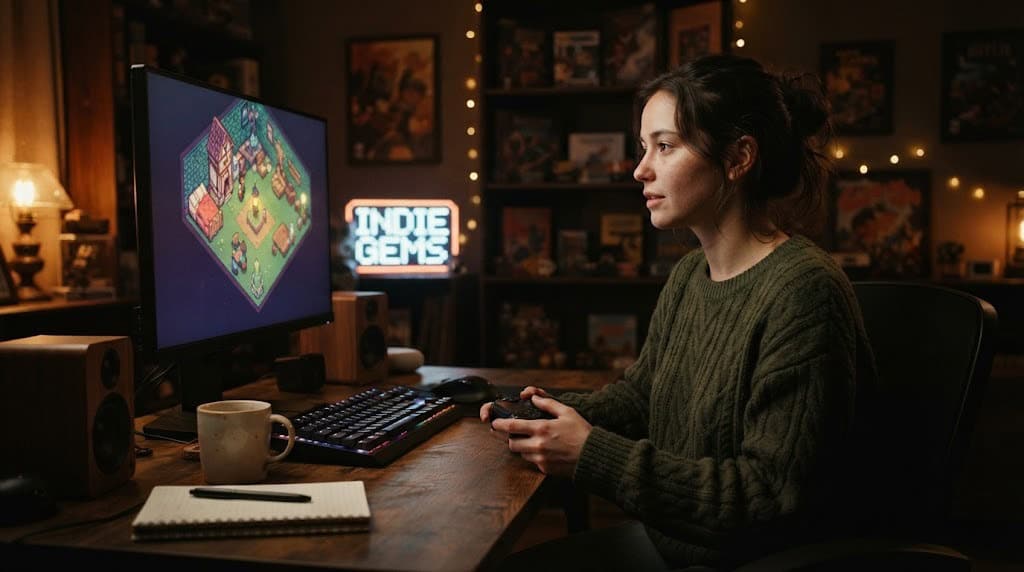
Why So Many Great Indie Games Go Unnoticed
Every year, thousands of games launch on Steam. Even high-quality indie titles face significant challenges getting noticed because of:
- Limited marketing budgets
- Overshadowing by AAA releases
- Minimal influencer coverage
- Steam’s crowded storefront
- Niche gameplay appealing to smaller audiences
As a result, excellent games often remain hidden despite receiving overwhelmingly positive feedback from the players who discover them.
The following games all have fewer than 5,000 Steam reviews, making them perfect choices for players looking beyond the usual recommendations.
1. Boneraiser Minions
Genre
Action Roguelike / Auto Battler
Why It’s Overlooked
Many players dismiss it as another “Vampire Survivors clone,” but that comparison doesn’t tell the whole story. Instead of controlling an army through direct combat, you summon and upgrade skeletons, zombies, ghosts, and monstrous minions that fight for you.
The game constantly rewards experimentation with new builds and unit combinations.
Who Will Enjoy It
- Fans of Vampire Survivors
- Players who enjoy endless progression
- Roguelike enthusiasts
- Anyone who loves necromancer-themed gameplay
2. DotAGE
Genre
Turn-Based Village Builder
Why It’s Overlooked
City-building fans often overlook DotAGE because of its charming pixel-art presentation. Behind the simple visuals lies one of the deepest strategy games in recent years.
Every turn requires balancing resources, assigning villagers, preparing for disasters, and adapting to random events.
No two villages develop the same way.
Who Will Enjoy It
- Fans of city builders
- Turn-based strategy players
- Resource management enthusiasts
- Players who enjoy difficult decision-making
3. Moonring
Genre
Classic RPG
Why It’s Overlooked
Moonring intentionally resembles computer RPGs from the 1980s. Its minimalist graphics cause many players to ignore it, assuming it’s outdated.
Instead, it delivers an enormous open world filled with mysteries, meaningful exploration, and rewarding progression.
Even more surprising, the game is completely free.
Who Will Enjoy It
- Old-school RPG fans
- Exploration lovers
- Players who enjoy challenging adventures
- Fans of Ultima-inspired games
4. Lunacid
Genre
First-Person Dungeon Crawler
Why It’s Overlooked
Retro visuals aren’t for everyone, but Lunacid transforms its PlayStation-era aesthetic into one of its greatest strengths.
Its atmospheric environments, rewarding exploration, and hidden secrets create a memorable adventure reminiscent of King’s Field.
Who Will Enjoy It
- Soulslike fans
- Dungeon crawler enthusiasts
- Exploration-focused gamers
- Fans of atmospheric fantasy
5. Death Must Die
Genre
Action Roguelite
Why It’s Overlooked
Released into an already crowded survivor-like genre, Death Must Die didn’t receive nearly as much attention as it deserved.
It combines bullet heaven mechanics with RPG progression, equipment farming, gods granting blessings, and Diablo-inspired loot systems.
Every run feels distinct.
Who Will Enjoy It
- Action RPG players
- Loot hunters
- Roguelite fans
- Players who enjoy constant progression
6. Shadows of Doubt
Genre
Detective Simulation
Why It’s Overlooked
This ambitious detective simulator creates entire procedurally generated cities where every citizen has routines, jobs, apartments, and relationships.
You investigate murders however you choose, gathering fingerprints, security footage, phone records, and witness testimony.
Its complexity has limited its mainstream appeal, but those who embrace it discover an incredibly immersive experience.
Who Will Enjoy It
- Detective game fans
- Immersive sim enthusiasts
- Sandbox lovers
- Players who enjoy solving mysteries
7. Rusted Moss
Genre
Metroidvania
Why It’s Overlooked
The grappling hook mechanics initially appear intimidating, causing many players to overlook Rusted Moss.
Once mastered, movement becomes one of the most satisfying experiences in any modern Metroidvania.
Combat, exploration, and traversal blend seamlessly.
Who Will Enjoy It
- Speedrunners
- Platforming fans
- Metroidvania enthusiasts
- Players seeking movement mastery
8. Tiny Rogues
Genre
Top-Down Roguelite
Why It’s Overlooked
Tiny Rogues features simple visuals that conceal an incredible amount of depth.
Dozens of classes, hundreds of items, varied bosses, and countless build combinations provide tremendous replay value.
Frequent updates have continued expanding the game without sacrificing its fast-paced gameplay.
Who Will Enjoy It
- Enter the Gungeon fans
- Isaac players
- Build-crafting enthusiasts
- Roguelite veterans
9. Terra Nil
Genre
Environmental Strategy
Why It’s Overlooked
Most city builders focus on expansion.
Terra Nil reverses the formula.
Your objective is restoring dead ecosystems by cleaning pollution, creating forests, revitalizing rivers, and eventually removing all human infrastructure.
Its relaxing gameplay offers a refreshing change from traditional management games.
Who Will Enjoy It
- Relaxing strategy fans
- Environmental enthusiasts
- Puzzle lovers
- Players seeking peaceful experiences
10. Dread Delusion
Genre
Open-World Fantasy RPG
Why It’s Overlooked
Dread Delusion embraces surreal world-building instead of realistic fantasy.
Floating continents, bizarre civilizations, strange creatures, and unusual storytelling create a truly unforgettable setting.
Its retro visuals may discourage some players, but those who stay discover remarkable exploration and storytelling.
Who Will Enjoy It
- Morrowind fans
- Exploration lovers
- Story-focused RPG players
- Fans of weird fantasy
What Makes Hidden Indie Games Special?
Indie developers often enjoy greater creative freedom than large studios. Without shareholder expectations or massive production pipelines, they can experiment with unusual mechanics, artistic styles, and storytelling techniques.
Many of today’s biggest gaming trends actually began as indie innovations before larger publishers adopted them. Hidden indie games continue this tradition by introducing fresh ideas that challenge conventional game design.
Unlike many blockbuster titles that rely on familiar formulas, these games often surprise players with unexpected mechanics, unique narratives, or inventive progression systems.
How to Discover More Hidden Steam Gems
Finding lesser-known games requires looking beyond Steam’s featured recommendations. Here are a few strategies to uncover your next favorite title:
Browse by Review Count
Instead of sorting games by popularity, search for titles with fewer than 5,000 reviews. Many outstanding games have simply not reached a wide audience.
Explore Steam Curators
Many Steam Curators specialize in underrated indie games. Following trusted curators can expose you to quality releases that rarely appear on the front page.
Check Genre-Specific Communities
Subreddits, Discord servers, and gaming forums dedicated to specific genres often recommend excellent hidden games before they gain mainstream popularity.
Watch Indie Showcases
Events such as Steam Next Fest regularly highlight upcoming indie titles through free demos. Trying demos is one of the best ways to discover promising games early.
Read User Reviews
Rather than relying solely on review scores, spend a few minutes reading player impressions. Passionate communities often reveal what makes a game truly special.
Why Supporting Small Indie Developers Matters
Buying lesser-known indie games does more than expand your library—it directly supports independent creators.
Unlike major publishers, many indie studios consist of only a handful of developers. Every purchase helps fund future updates, expansions, bug fixes, and entirely new projects.
Supporting indie games also encourages greater diversity within the gaming industry. Innovative mechanics, bold artistic directions, and unconventional stories flourish when smaller developers can succeed alongside larger studios.
Many beloved franchises started as small indie projects with passionate communities behind them. Your next favorite game could be one that only a few thousand players have discovered so far.
Final Thoughts
Steam’s vast catalog can make finding exceptional indie games feel like searching for a needle in a haystack. While blockbuster releases often dominate the spotlight, countless smaller titles offer equally memorable experiences—sometimes even surpassing their higher-budget counterparts in creativity and originality.
Games like Boneraiser Minions, DotAGE, Moonring, Lunacid, Death Must Die, Shadows of Doubt, Rusted Moss, Tiny Rogues, Terra Nil, and Dread Delusion demonstrate the incredible variety available outside Steam’s bestseller lists. From tactical village management and atmospheric dungeon crawling to detective simulations and environmental restoration, these hidden gems cater to nearly every type of player.
The next time you’re looking for something new, resist the urge to buy only the latest blockbuster. Explore Steam’s overlooked corners, read player reviews, and take a chance on a smaller project. You may discover an unforgettable experience that never received the attention it deserved—and help support the passionate developers who continue pushing the boundaries of game design.